¿Por qué vibran las cuchillas de su cortadora y cómo puede estabilizarlas?
April 17, 2026
Nuestra fábrica lleva 30 años produciendo innumerables productos para diversos sectores, contribuyendo significativamente a la industria del corte. ¡Permítanos personalizar las herramientas de corte que necesita!
Mabu - Director ejecutivo de RisingBamboo
En las líneas de producción de corte longitudinal, vibración anormal de cuchillas de corte o cuchillas circulares es una señal peligrosa. La vibración no solo deja marcas onduladas y rebabas en el borde del material, sino que también acelera el desgaste de la cuchilla, daña los cojinetes del eje de la cuchilla e incluso puede provocar accidentes por agrietamiento de la cuchilla. Muchos operadores creen erróneamente que el equipo está envejeciendo, pero de hecho, la mayoría de las vibraciones de cuchillas de corte Se origina por varias causas fácilmente identificables. Mingbai Mechanical Tool Technology Co., Ltd., basándose en su experiencia en el sector, le ayuda a diagnosticar las causas fundamentales de la vibración y le proporciona métodos prácticos para estabilizar sus cuchillas.
1. Causas comunes de vibración de la cuchilla de la cortadora
1. Ajuste incorrecto de la separación o superposición de las cuchillas.
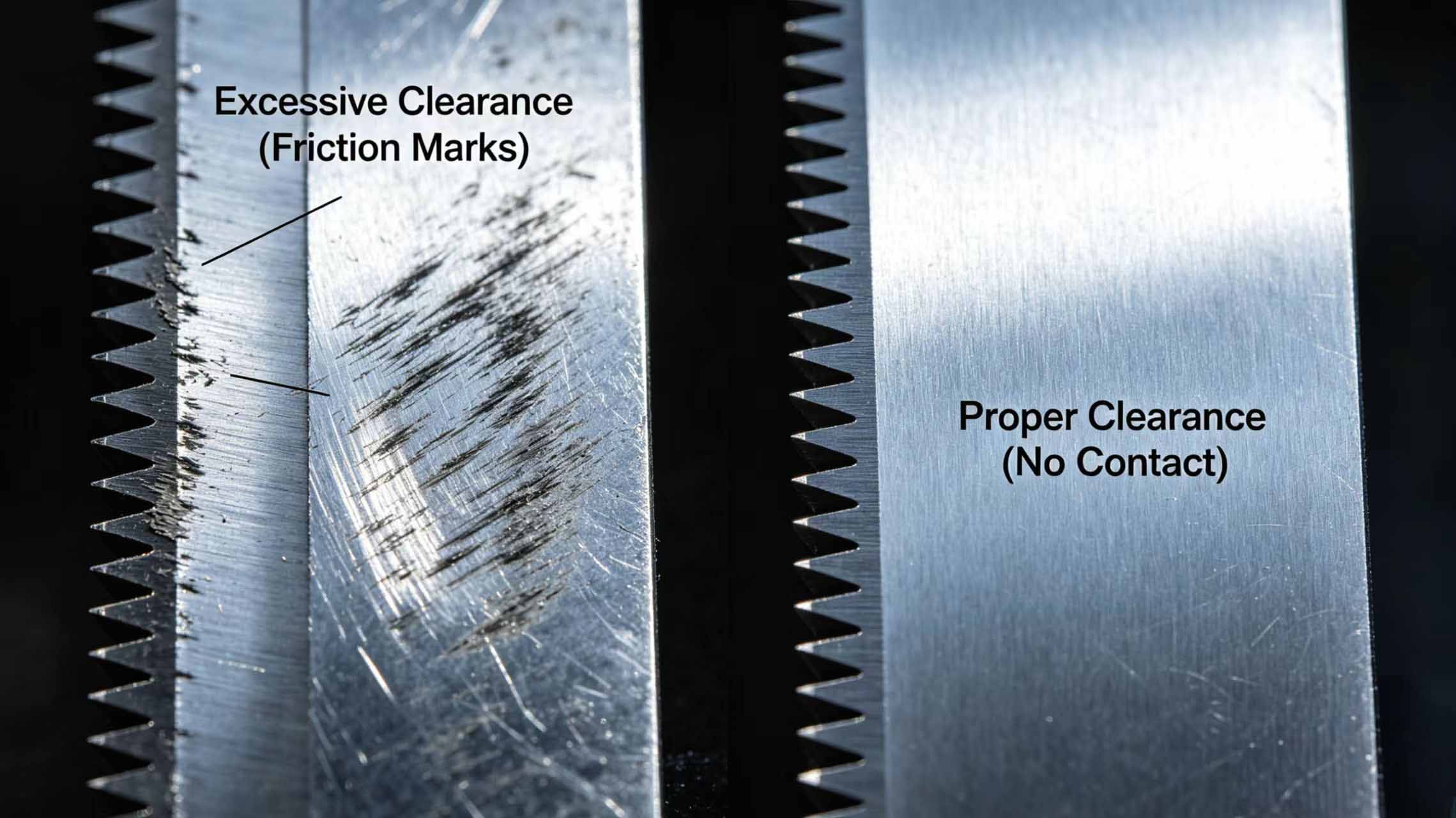
• Espacio demasiado pequeño: las palas superior e inferior se rozan y se aprietan entre sí, generando impactos periódicos.
• Espacio demasiado grande: el material se estira en la zona de corte y luego se libera repentinamente, lo que provoca una oscilación lateral de la cuchilla.
• Superposición excesiva: las cuchillas cortan demasiado profundamente, la resistencia al corte aumenta bruscamente, lo que obliga a la cuchilla a desviarse lateralmente.
2. Exceso de la hoja o del eje de la hoja
· Mala concentricidad entre el diámetro interior y el diámetro exterior de cuchillas circulares (>0,01 mm) crea un impacto radial por revolución.
• Un eje de cuchilla doblado o cojinetes de husillo desgastados provocan una desviación axial excesiva después de la instalación de la cuchilla.
• Las tuercas de sujeción de la cuchilla no están apretadas correctamente, lo que permite que la cuchilla se mueva ligeramente sobre el eje.
3. Geometría asimétrica de la hoja o desgaste irregular
· El astillamiento o desgaste localizado en el borde crea fuerzas desequilibradas durante la rotación.
· El rectificado asimétrico de los ángulos de desprendimiento en ambos lados de la cuchilla provoca una carga unilateral.
4. Rigidez estructural insuficiente del equipo
· El soporte de la cuchilla sobresale demasiado y carece de soporte.
• Los mecanismos de bloqueo flojos provocan vibraciones de alta frecuencia bajo fuerzas de corte.
5. Cambios en el material o en las condiciones de funcionamiento.
· Las grandes fluctuaciones de espesor o la alta dureza en las uniones del material provocan un impacto instantáneo en la hoja.
• La lubricación insuficiente o la obstrucción de las boquillas del fluido de corte provocan calor por fricción y deformación térmica de la hoja.
2. ¿Cómo diagnosticar el origen de la vibración?
Con la máquina detenida, compruebe en el siguiente orden:
1. Prueba de sonido sin carga: Retire el material y haga funcionar las cuchillas sin carga. Si la vibración persiste, el problema está en la cuchilla o el eje; si no hay vibración, el problema está en el espacio o el material.
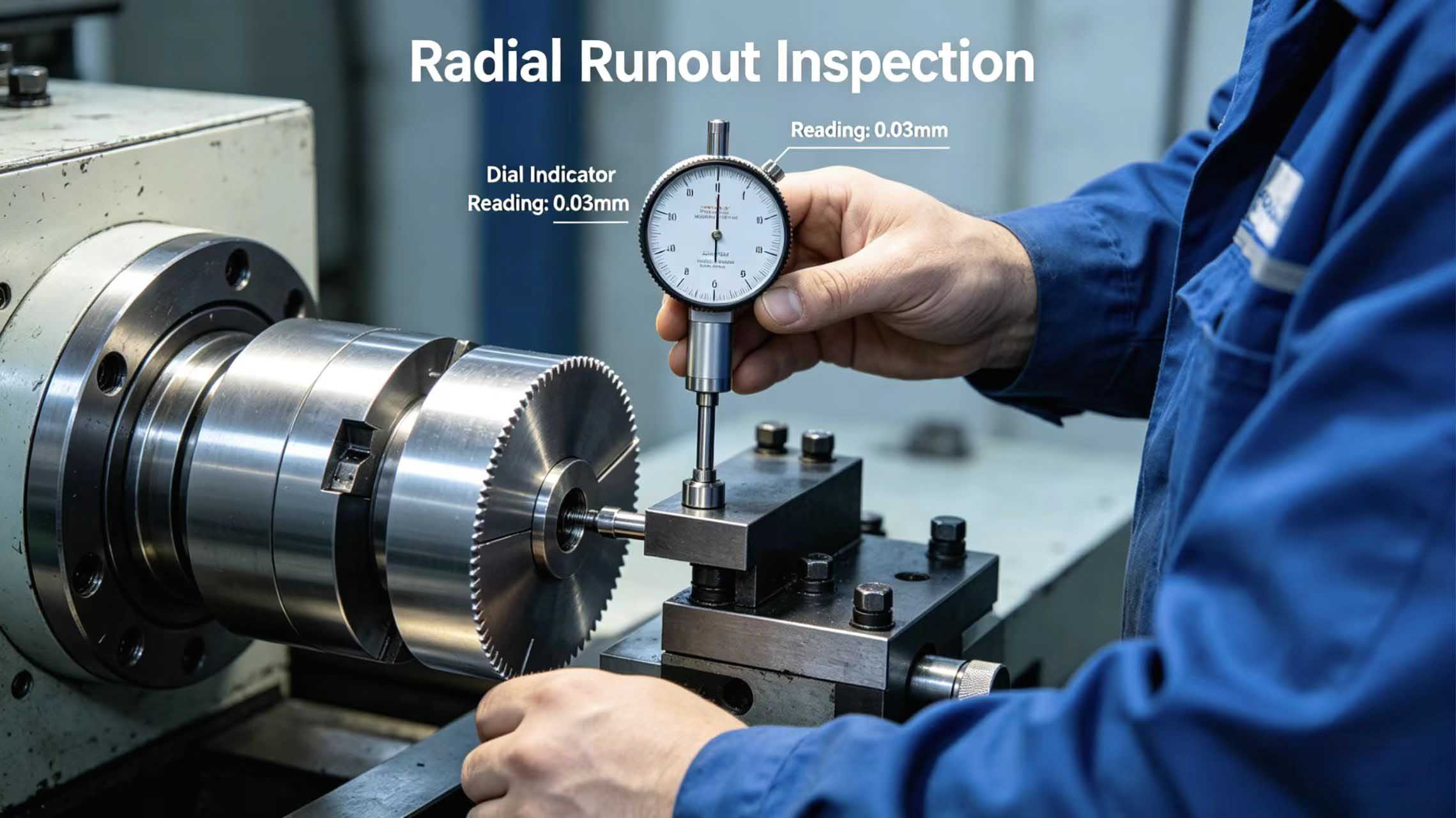
2. Medición con comparador de cuadrante: Mida la desviación radial y axial del diámetro exterior de la pala. cuchillas de máquinas de precisión Se requiere una desviación radial ≤ 0,005 mm y una desviación axial ≤ 0,008 mm.
3. Prueba de marcado: Aplique tinta de marcado en los bordes superior e inferior de la hoja, presione sobre papel blanco y observe si la impresión es uniforme y continua. Una impresión intermitente indica un espacio irregular.
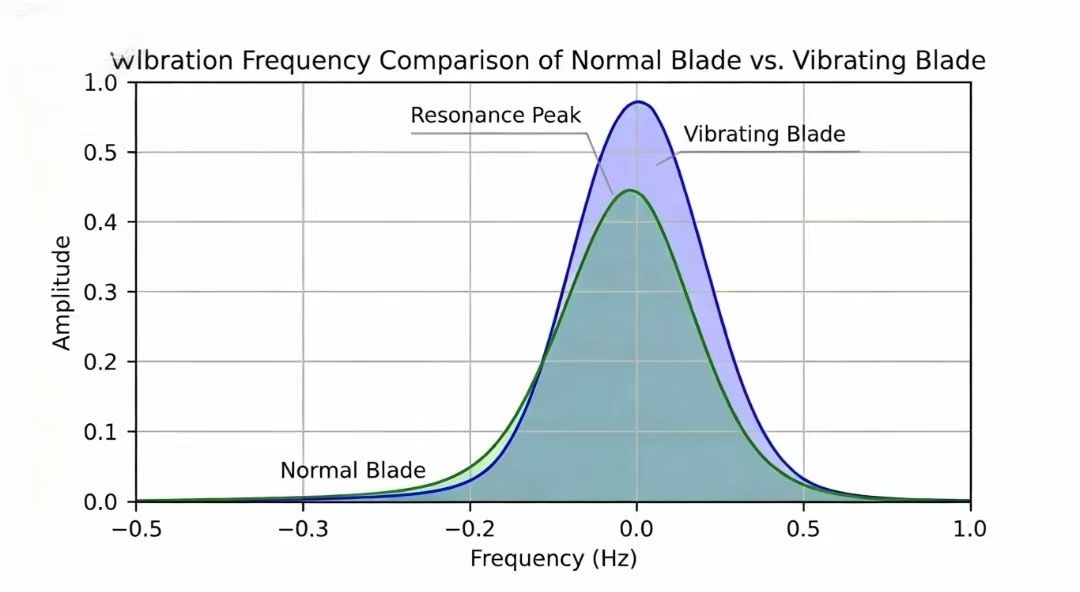
4. Análisis de frecuencia: Frecuencia de vibración que coincide con la frecuencia de rotación del eje de la pala → pala o eje excéntrico; frecuencia que es un múltiplo entero de la frecuencia de rotación → múltiples bordes astillados.
3. Cinco medidas para estabilizar las cuchillas de la cortadora
1. Recalibrar la separación y el solapamiento de las cuchillas.
Utilice un calibrador de espesores o una herramienta de alineación láser para ajustar la separación entre el 5 % y el 10 % del espesor del material. Comience con el valor mínimo y auméntelo gradualmente hasta que no haya rebabas ni vibraciones.
• Controle la superposición entre el 30 % y el 50 % del espesor del material. Utilice el límite inferior para materiales delgados y el límite superior para materiales gruesos.
2. Asegurar la precisión de la cuchilla y del eje de la cuchilla.
Antes de instalar cuchillas personalizadas, compruebe la excentricidad del eje con un comparador de cuadrante. Si está fuera de tolerancia, sustituya los cojinetes del husillo o rectifique el muñón.
• Elija cuchillas circulares de alta concentricidad de Mingbai Technology (el informe de salida garantiza una concentricidad ≤ 0,003 mm).
• Utilice una llave dinamométrica para apretar las tuercas de la cuchilla siguiendo un patrón cruzado; consulte el manual de la cuchilla para conocer los valores de par recomendados.
3. Optimizar el diseño de la geometría de las palas
· Para condiciones propensas a vibraciones, reduzca el ángulo de separación de cuchillas de corte personalizadas Inclinar entre 2° y 3° para aumentar el soporte de los bordes.
• Utilice un paso de dientes desigual o diseños de borde helicoidal (para modelos de máquinas específicos) para romper las frecuencias de resonancia.
4. Mejorar la rigidez del equipo
• Acortar la longitud del voladizo del soporte de la cuchilla y añadir soportes auxiliares.
• Compruebe todos los pernos de bloqueo y sustituya las arandelas antivibración desgastadas.
5. Estabilizar las condiciones de funcionamiento y la lubricación.
· Asegúrese de que la fluctuación del espesor del material entrante sea ≤ ±5%. Si no es controlable, elija cuchillas mecanizadas por CNC con ranuras amortiguadoras de vibraciones.
• Mantenga un nivel adecuado de fluido de corte y dirija las boquillas hacia la zona de entrada del corte para eliminar el calor y expulsar las virutas.
4. Soluciones de palas antivibración de Mingbai Technology
Para líneas de corte sensibles a las vibraciones, Mingbai Mechanical Tool Technology Co., Ltd. ha desarrollado una serie antivibratoria específica:
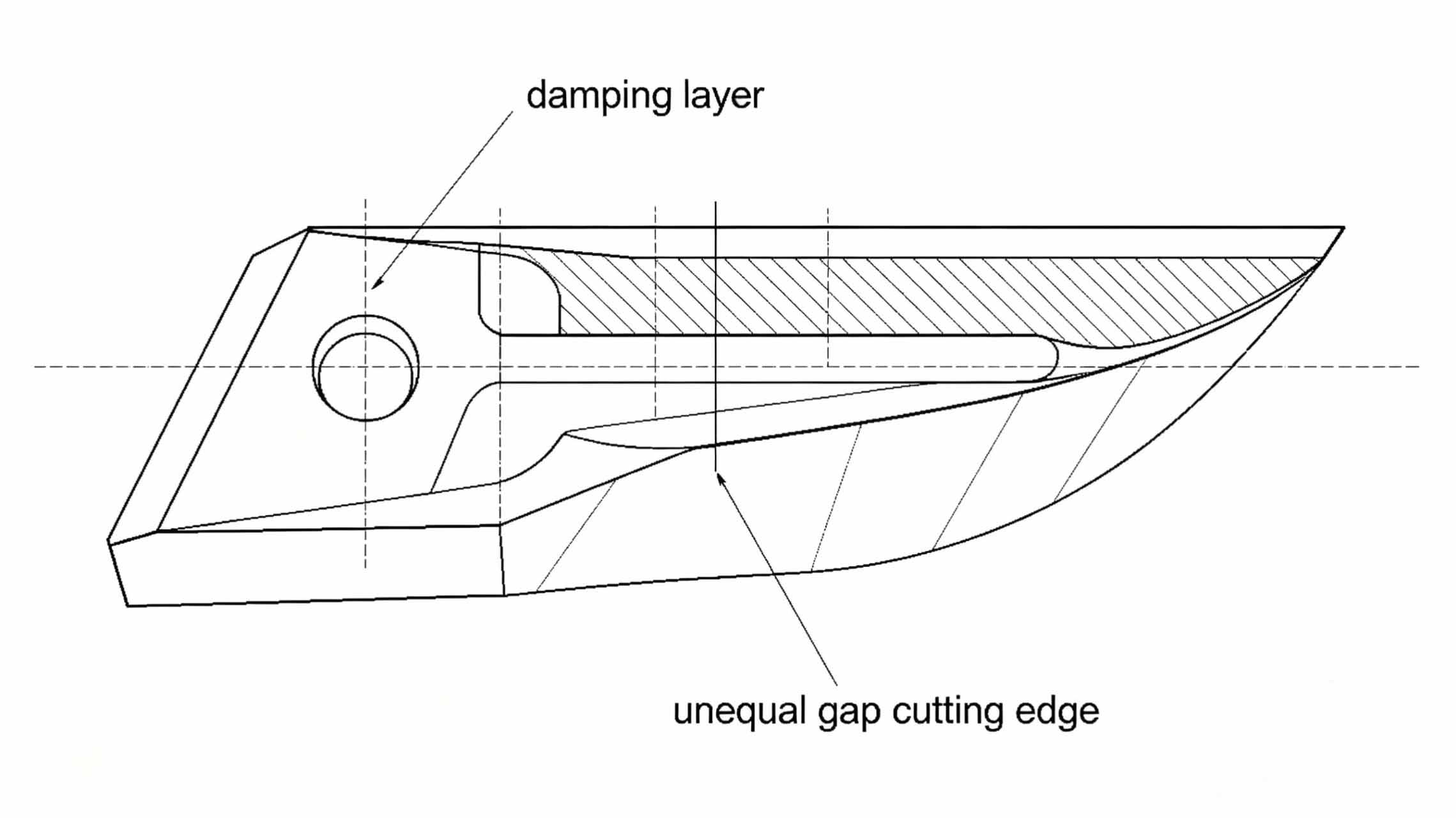
· Borde con holgura irregular: Ligera variación en la altura del borde a lo largo de la circunferencia para romper el bloqueo de fase de resonancia.
• Pala compuesta con capa amortiguadora: Material polimérico amortiguador incrustado en el interior del cuerpo de la pala para absorber las vibraciones de alta frecuencia.
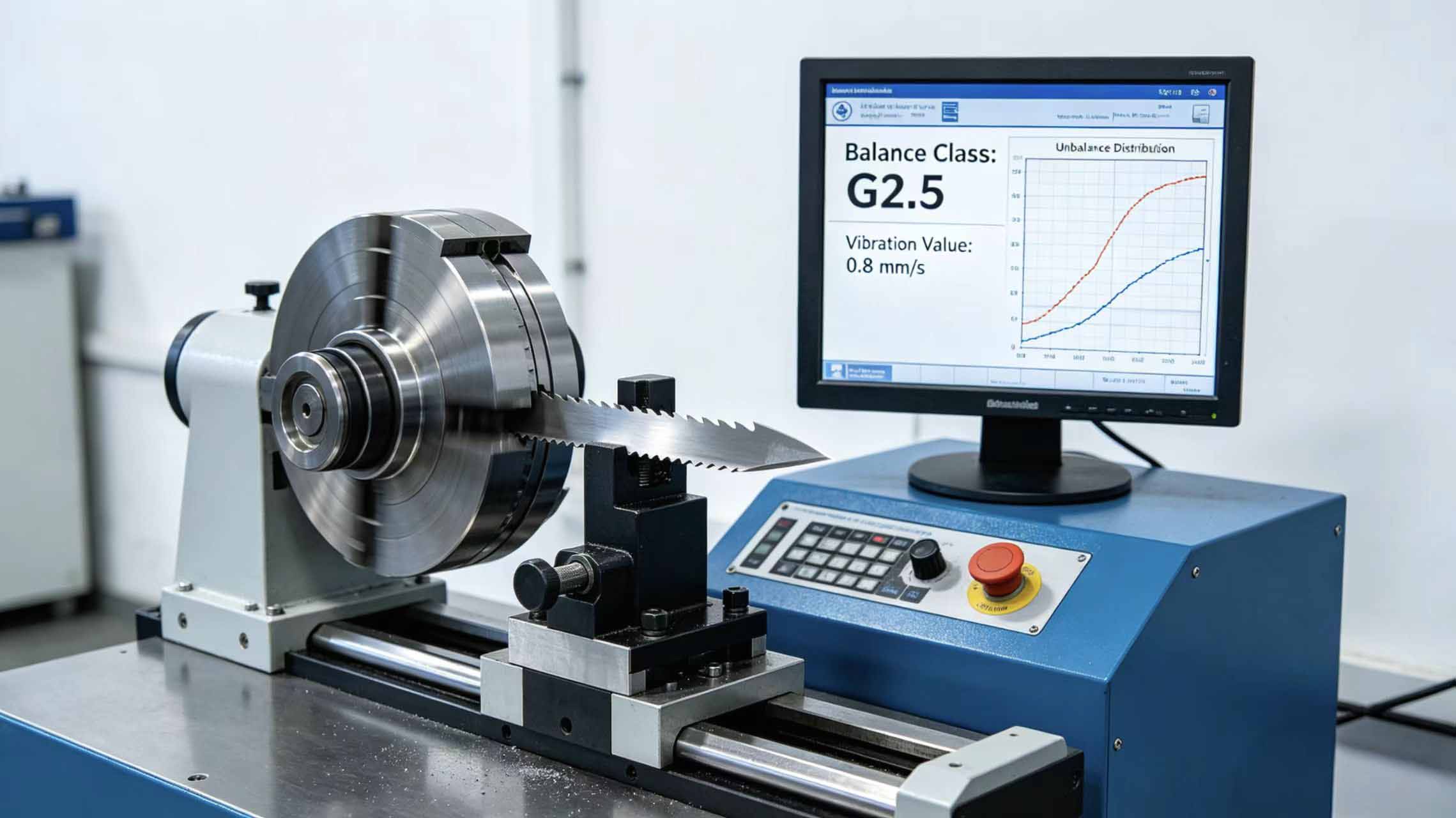
• Cuchillas equilibradas: Cada cuchilla de corte se somete a un equilibrado dinámico de grado G2.5 antes del envío para eliminar las fuerzas de desequilibrio inherentes.
También ofrecemos servicios de pruebas de vibración in situ, utilizando medidores de vibración portátiles para capturar espectros de frecuencia, localizar con precisión las fuentes de vibración y emitir informes de optimización.
5. Estudio de caso
Una planta de corte de electrodos de baterías experimentó una vibración severa de cuchillas circulares Cuando la velocidad superaba los 80 m/min, se producían bordes de corte dentados. La inspección in situ del equipo de Mingbai reveló una desviación radial del eje de la cuchilla de 0,03 mm (el estándar es de 0,005 mm) y una separación entre cuchillas de tan solo el 3 % del espesor del material. Tras recomendar el rectificado del eje y el ajuste de la separación al 8 %, la vibración desapareció, la velocidad aumentó a 120 m/min y la vida útil de la cuchilla se duplicó.
Conclusión
La vibración de la cuchilla de la cortadora nunca es "normal". Desde los ajustes de separación y la precisión de la cuchilla hasta la rigidez del equipo, cada eslabón puede ser una fuente de vibración. Mingbai Mechanical Tool Technology Co., Ltd. no solo proporciona alta calidad cuchillas circulares, cuchillas de corte, y cuchillas personalizadasAdemás, le ofrecemos servicios de diagnóstico in situ. Contáctenos para restablecer el funcionamiento fluido y silencioso de su línea de corte.
 Correo electrónico
:
Correo electrónico
:  Tel.:
Tel.: 

 es
es 


 Red IPv6 compatible
|
Red IPv6 compatible
|